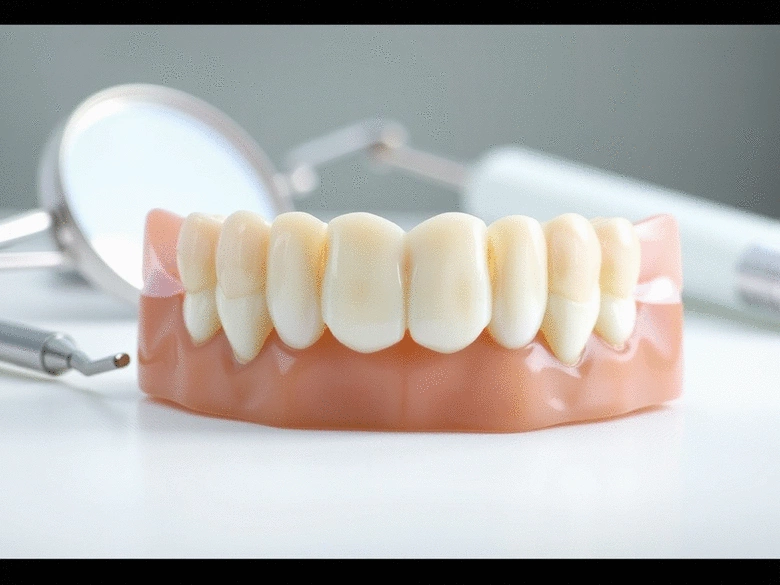
Traditional Bridges
Anchored by crowns on adjacent teeth. Robust solution for healthy adjacent teeth.
- Most common type
- Requires two healthy abutment teeth
Have you ever considered how a small gap in your smile can impact your confidence and oral health? Dental bridges are more than just a cosmetic fix—they're vital for restoring function and preventing further dental issues.
There are several types of dental bridges, each serving specific patient needs. Understanding their differences will help you make an informed decision.
Anchored by crowns on adjacent teeth. Robust solution for healthy adjacent teeth.
Supported by a single adjacent tooth. Used when only one anchor is available.
Bonded to the back of adjacent teeth. Less invasive, minimal tooth alteration.
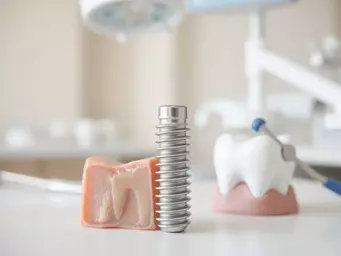
Supported by dental implants in the jawbone. Offers superior strength and durability.
Dental bridges are important restorative dental solutions designed to fill the gaps created by missing teeth. Essentially, a bridge is a fixed dental restoration that connects an artificial tooth to adjacent natural teeth or dental implants. This procedure not only helps restore functionality but also improves the appearance of your smile. If you've ever experienced the discomfort of a gap in your teeth, you know just how vital it is to consider options like dental bridges.
So, how do dental bridges function? They rely on support from surrounding teeth or dental implants, which anchor the bridge in place. Imagine a bridge spanning a river—just as the riverbed supports the structure, your natural teeth or implants support the bridge. This design ensures stability and longevity, allowing you to eat, speak, and smile with confidence!
When we think about dental bridges, it’s helpful to understand their components. A bridge typically consists of:
This structure allows dental bridges to restore not just aesthetics but also functionality to your bite. During my years in practice, I’ve seen how effectively a well-fitted bridge can transform a patient’s confidence and oral health.
Dental bridges play a critical role in maintaining oral health. When a tooth is missing, it can lead to various issues like shifting teeth, bite misalignment, and even jaw pain. A bridge mitigates these risks by:
With these benefits, choosing a dental bridge is not just about aesthetics—it's about preserving your overall oral health. As a restorative dentist, I emphasize the importance of addressing missing teeth promptly. The earlier you seek a solution, the better it is for your dental future!
There are several types of dental bridges, each designed for specific situations and patient needs. Understanding these options can help you make the right choice for your dental care. Let’s delve into the various types and their unique benefits.
Traditional dental bridges are the most common type. They typically consist of a pontic anchored by dental crowns placed on the adjacent teeth. These bridges are ideal when you have healthy teeth on either side of the gap. Why choose traditional bridges? They offer a robust solution that effectively restores both function and appearance!
Cantilever bridges are used when there’s only one adjacent tooth available. They function similarly to traditional bridges but only rely on one anchor. These bridges are great for situations where the other side is not stable enough to support a bridge. However, careful evaluation is crucial to ensure durability.
Resin-bonded bridges, often referred to as Maryland bridges, are a less invasive option. They utilize resin to bond the pontic to the back of adjacent teeth without the need for crowns. This makes them a great choice for front teeth where aesthetics are a priority, and the procedure involves minimal alteration to healthy teeth.
For those looking for a long-term solution, implant-supported bridges provide excellent stability. These consist of a bridge supported by dental implants rather than natural teeth. Because they’re anchored in the jawbone, they offer superior strength and durability, making them a great investment for your dental health.
Lastly, Maryland bridges are a cost-effective option that typically involves a metal framework to support the pontic. They are especially beneficial for patients looking to replace missing teeth without significant investment. These bridges are durable yet less invasive than traditional options, making them a popular choice for many.
Have you ever considered a dental bridge but hesitated due to concerns or questions? What factors are most important to you when choosing a tooth replacement option? Share your thoughts below:
Getting a dental bridge can be a big step in your journey to restoring your smile! However, I understand that many patients have common concerns about the procedure and the recovery process. Let’s dive into some of the most frequently asked questions and what you can expect.
First and foremost, managing pain and expectations during recovery is crucial. Many patients report mild discomfort or soreness in the days following the placement of their dental bridge. This is completely normal, and I always recommend over-the-counter pain relievers to help ease any discomfort. Remember, everyone’s experience is unique, so don't hesitate to reach out if you're feeling unusually uncomfortable.
It’s important to be patient as your mouth adjusts to the new bridge. If you have any specific concerns, please talk to your dentist. I'm always here to help my patients understand what to expect!
Once your dental bridge is in place, ensuring its longevity is all about proper care. Regular dental check-ups are essential, as they allow me to monitor the bridge and your oral health. Additionally, practicing good oral hygiene at home can make a significant difference!
By following these simple steps, you can help your dental bridge last for years to come! As your dentist, my goal is to empower you with the knowledge you need for optimal oral health.
After the procedure, it's vital to follow some aftercare tips to ensure a smooth recovery. I often remind my patients that the healing process varies from person to person. Here are some essential tips that I recommend:
Adhering to these tips can significantly enhance your comfort levels and the success of your dental bridge. Remember, I’m just a call away if you have any questions or concerns!
As you consider your options for tooth replacement, comparing dental bridges with other solutions will help you make an informed decision. Each option has its benefits and potential downsides, which is why I encourage my patients to weigh these carefully.
Dental implants are often hailed as the gold standard for tooth replacement, but dental bridges can be a more cost-effective solution in some cases. Understanding the differences can guide you towards the right choice for your unique smile. For further general information on dental restorations, including bridges, you can consult reliable sources like the American Dental Association (ADA).
Here is a quick recap of the important points discussed in the article:
Dr. Amelia Norwood is a dedicated restorative dentist with over a decade of experience in improving smiles and enhancing oral health. Passionate about empowering patients, she offers clear, evidence-based insights into various restorative treatments. Dr. Norwood's commitment to excellence and compassionate care makes her a trusted resource for the Fort Myers community.
At Restorative Dentistry in Fort Myers, we provide Fort Myers residents with accessible, reliable, and comprehensive information on restorative dental treatments. Our mission is to empower you to make informed decisions about your oral health.
Serving the Fort Myers Community